
Construction Quality & Risk Control
Keep Quality Visible While the Project Still Has Options.
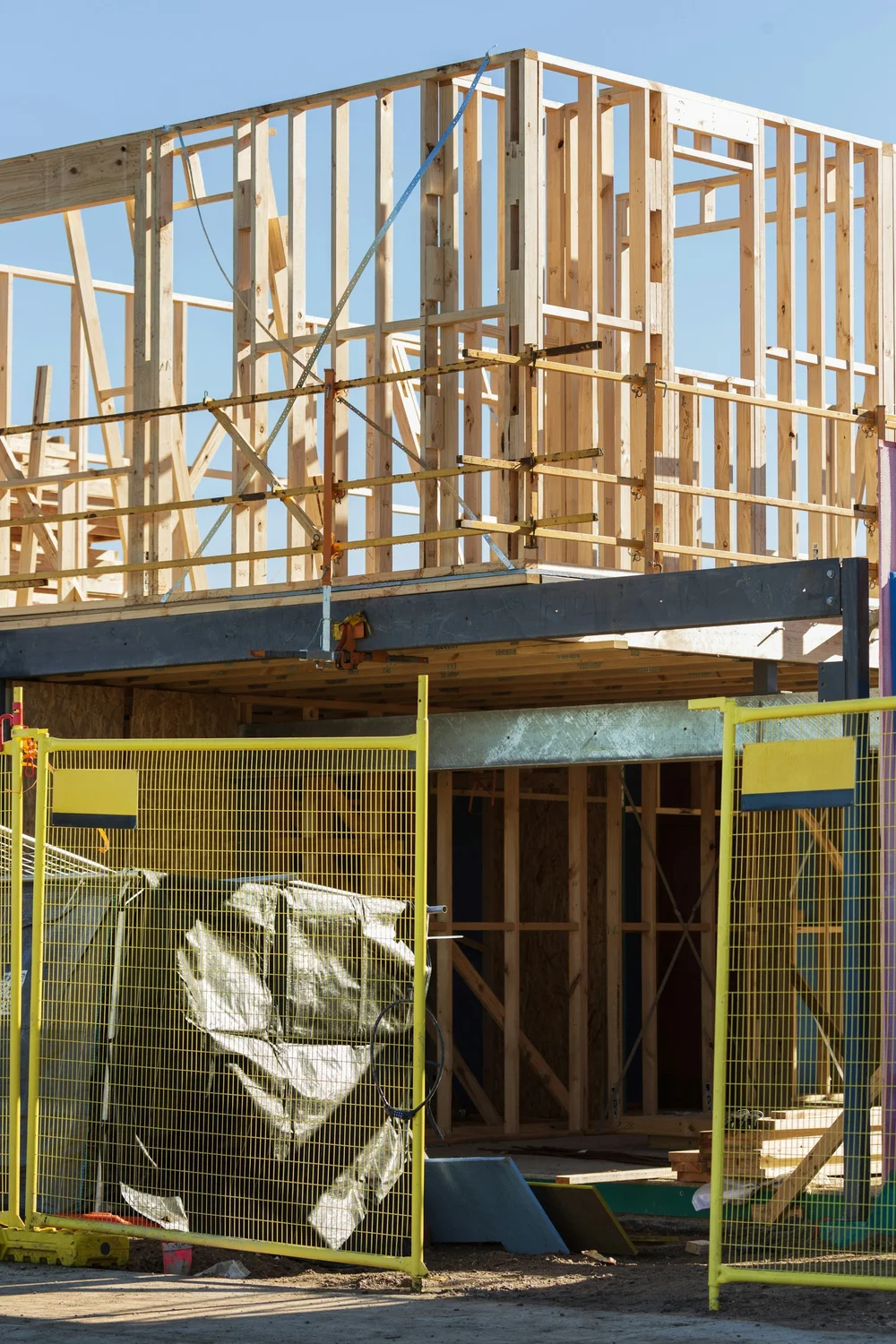
Construction quality is easiest to protect while the work is still being built.
One questionable installation can become a wider problem when it is repeated across rooms, floors or façades. Marbach gives owners, contractors and project teams a focused view of workmanship, trade interfaces and developing construction risk.
We observe critical work, document relevant conditions and prioritize clarification points before the work is concealed or the same issue spreads.
Discuss Your ProjectWhat You Receive
A scoped Quality Review Report can bring field observations and follow-up priorities into one usable project record. The written format and level of detail are agreed before the work begins.
- Quality observations: location-specific workmanship and field-condition records, with photographs where included.
- Issue & risk list: recurring conditions, trade interfaces and sequencing concerns that need attention.
- Repetition & concealment: records of work that will be repeated or covered, and questions to raise while access remains available.
- Clarification points: information gaps and items for the responsible project team or specialist to review.
- Follow-up priorities: practical next steps and, where commissioned, documentation of changed conditions after corrective work.
Use the findings to coordinate trades, support owner–contractor discussions and track quality follow-up. Contents depend on the agreed assignment; focused reviews retain their stated deliverables.
Where Quality Risk Multiplies
Repetitive Work
Repeated construction creates leverage.
When the same wall assembly, penetration, room layout, façade detail, waterproofing condition or installation method is being reproduced across a project, early observation can prevent a questionable method from becoming the project standard.
The earlier a recurring condition becomes visible, the easier it usually is to address.
Work Approaching Concealment
Some construction conditions become difficult to evaluate once they are covered.
That may include work behind:
- Drywall
- Ceilings
- Roofing
- Waterproofing
- Insulation
- Wall assemblies
- Finishes
- Equipment
- Penetrations
- Façade systems
Targeted observation before concealment can preserve information that may otherwise be expensive or disruptive to recover later.
Trade & System Interfaces
Many quality risks develop where one scope ends and another begins.
Examples may include:
- Waterproofing transitions
- Wall-to-roof interfaces
- Penetrations
- Sealant joints
- Insulation transitions
- Substrate conditions
- Mechanical or electrical penetrations through assemblies
- Work requiring coordination between multiple trades
No single trade may control the entire condition.
That makes the interface itself important.
First-of-Kind & Early Installations
Reviewing the first representative installation creates an opportunity to raise questions before the approach is repeated dozens or hundreds of times.
Examples include hotel bathrooms, wall assemblies, façade attachments, waterproofing details, penetrations and repetitive unit layouts.
Early field information helps the project retain control over recurring work.
Material Application & Workmanship
Even the correct material can perform poorly when it is applied incorrectly.
Construction quality can be affected by:
- preparation
- installation conditions
- application thickness
- fastening
- sequencing
- compatibility
- continuity
- workmanship consistency
Our focus is not simply whether a material is present.
It is whether relevant field conditions deserve additional attention before the work progresses.
Quality Control Should Happen While Quality Can Still Be Changed.
At turnover, walls, ceilings, roofing and finishes may already conceal the condition. Equipment may be installed and trades demobilized, making further review or corrective work more disruptive.
Targeted field observation helps the project team raise questions while the work is accessible and practical options remain.
Who We Support
Owners & Developers
Owners and developers need visibility into what is actually happening in the field.
Marbach Engineering can provide an additional field-focused perspective when clearer information about workmanship, recurring conditions or critical construction activities is valuable.
This can be especially useful when:
- quality appears inconsistent
- critical work is approaching concealment
- repetitive installations are beginning
- several contractors or trades are involved
- schedule pressure is increasing
- corrective work is underway
- an owner wants additional documentation before important project decisions
The objective is not to manage the project.
It is to help the owner see more of what is happening on it.
General Contractors & Construction Managers
Rework consumes time during both installation and correction. Marbach adds targeted technical visibility into recurring conditions, workmanship, field documentation and developing quality risks before concerns spread across areas or trades.
We support quality, schedule and cost without replacing the contractor’s quality-control program or adding another layer of project management.
Trade & Specialty Contractors
Trade contractors inherit conditions: variable substrates, other trades’ work, unexpected access constraints or field changes requiring coordination.
Before work progresses, Marbach can document relevant conditions, interfaces and completed work so the trade contractor and wider project team share a clearer record.
Designers, Planners & Project Consultants
Drawings describe intended construction.
The field shows what was actually built.
When questions arise, design teams benefit from organized, location-specific field information.
Marbach Engineering can help document:
- Existing conditions
- Installation progress
- Unexpected field conditions
- Repetitive installation differences
- Corrective work
- Areas requiring additional professional review
Our role is to provide clearer field information so the appropriately responsible design professionals can evaluate how observed conditions relate to project requirements.
Design responsibility and regulated professional decisions remain with the responsible licensed professionals.
Commercial & Industrial Clients
Quality concerns in commercial and industrial construction can affect far more than appearance.
They can influence:
- Operations
- Maintenance
- Equipment installation
- Reliability
- Future access
- Life-cycle cost
- Future modifications
We help commercial and industrial clients maintain better visibility into field conditions and developing construction risk while corrective action is still practical.
Property & Facility Teams
Quality & Risk Control can also support:
- Renovations
- Capital improvement programs
- Tenant improvements
- Major repair programs
- Facility upgrades
- Corrective construction campaigns
Facility teams often know where operational problems exist.
What they may need is better visibility into how new work, repairs or upgrades are actually being executed.
That is where targeted field observation and documentation can add value.
How We Support Project Quality
01 — Define the Quality Focus
We identify where additional visibility matters most:
- Project phase and work about to begin
- Installations that will be repeated or concealed
- Critical trade interfaces and existing questions
- Conditions that could become costly if repeated
The scope targets developing quality risk; it is not an observation of everything on the project.
02 — Understand the Relevant Project Information
Depending on the assignment, we may review available information related to the work being observed.
This may include:
- Drawings
- Details
- Specifications
- Submittals
- RFIs
- Photographs
- Change information
- Repair instructions
- Existing quality records
The purpose is not to perform a broad design review.
It is to understand the context needed for meaningful field observation and documentation.
03 — Observe Critical Work
Targeted field observation may focus on:
- First-of-kind installations
- Repetitive work
- Work approaching concealment
- Trade interfaces
- Workmanship consistency
- Material application
- Installation sequencing
- Corrective work
- Critical building-envelope conditions
- Areas already showing inconsistent execution
Photography, measurements and other agreed non-destructive field documentation may be used where appropriate.
Drone-based documentation may also support assignments where access or broader site visibility makes it useful.
04 — Document and Track Conditions
We record what was observed, where and when it occurred, whether it appears elsewhere and how it changes over time.
This creates a usable field record rather than disconnected photographs.
05 — Identify Repetition Early
The greatest project risk is often not the first questionable installation.
It is the next fifty.
We look for:
- recurring workmanship conditions
- repeated installation methods
- recurring interface problems
- inconsistent execution
- repeated corrective measures
- conditions appearing across multiple locations
This helps the project team distinguish:
an isolated observation
from
a developing project risk.
06 — Prioritize What Matters
We distinguish conditions needing prompt project-team review, clarification, additional professional input or monitoring. Priorities reflect potential impact so the team can focus its response.
07 — Follow Up on Corrective Work
When corrective work is performed, Marbach Engineering can return within the agreed scope to document the resulting field condition before the work is concealed or the same corrective method is repeated elsewhere.
This creates a clearer record of what changed and what condition existed afterward.
Where formal acceptance, certification, engineering judgment or other regulated professional services are required, those responsibilities remain with the appropriately authorized professional.
Better Information While the Project Still Has Options.
Owners need clarity before accepting work. Contractors need to see recurring installation issues. Trade teams need preceding conditions documented, and designers need reliable field information for their review.
Location-specific observations give each responsible party a clearer basis for action while the project still has options.
Our Role on the Project
Marbach Engineering provides targeted construction consulting, field observation and documentation within an agreed scope.
We add an additional field-focused perspective.
We do not automatically assume responsibility for:
- Contractor supervision
- Construction means and methods
- Site safety
- Design responsibility
- Code enforcement
- Contract administration
- Contractor quality-control obligations
- Formal inspection or certification where regulated professional services are required
Where additional testing, design input or another licensed specialist is required, that need can be identified so the project team can direct it appropriately.
The objective is simple:
more visibility, without adding unnecessary project complexity.
Quality Is Built Before Turnover.
Construction quality develops through individual installations, interfaces and decisions. Risk grows when questionable work is repeated, concealed or left unresolved.
Marbach observes critical work, documents conditions and tracks recurring concerns so the project team can focus its response.
When Should You Bring Us In?
The ideal time is not after the project has already developed a widespread quality problem.
Consider bringing us in when:
- repetitive work is about to begin
- first-of-kind installations are being built
- critical assemblies will soon be concealed
- workmanship is becoming inconsistent
- several trades are creating coordination challenges
- an owner wants additional field visibility
- a contractor wants another perspective on recurring quality concerns
- schedule pressure is beginning to affect execution
- corrective work is being implemented
- important field conditions are poorly documented
- renovation or capital-improvement work requires better field visibility
- you want to identify developing risk before it becomes rework
The best time to address a quality problem is before it becomes rework.
Protect Quality While You Still Have Options.
Bring us in before critical work is covered, a detail is repeated or a crew moves on. Tell us the project phase, quality concern and areas that need attention.
We’ll review where targeted observation and documentation can support your next decision.
Discuss Your Project